阿斯旺贵族墓

阿斯旺贵族墓

阿斯旺贵族的坟墓

特定雇员,工头,牧师,士兵,官员,大臣,王子或其他类似口径的人的坟墓,通常在古埃及的重要陪葬区发现,统称为贵族的坟墓。

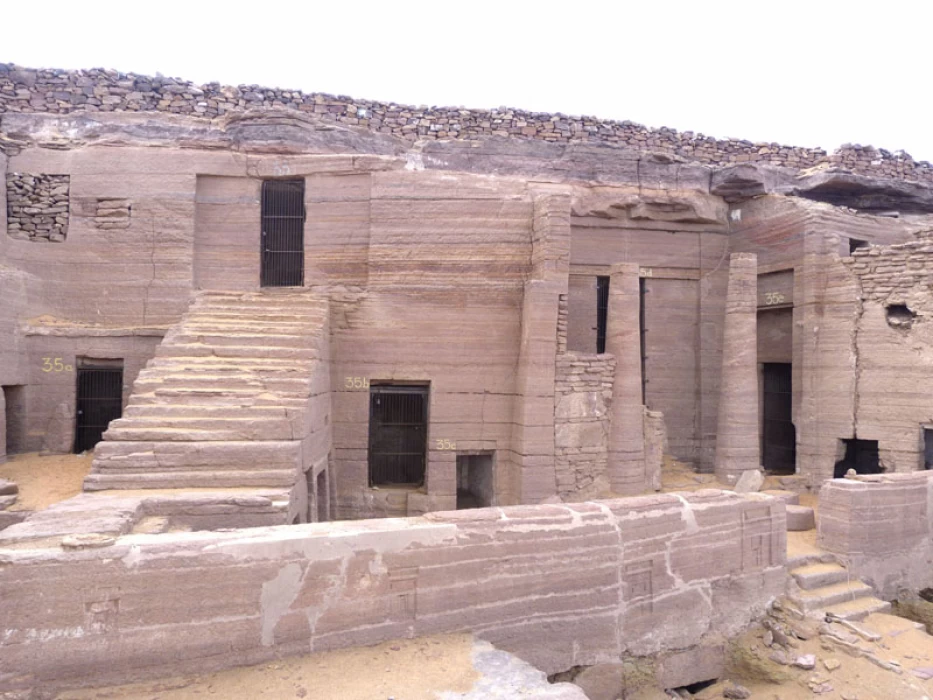
阿斯旺贵族的墓葬位于阿斯旺对面的高坡上,就在基奇纳岛以北,那里保存完好的墓葬,守门人以南和其他政要都在古老的象岛上。


阿斯旺象岛神庙

这些墓地仍在挖掘和研究其他墓地,其中六个装饰的坟墓目前在公元2014年至2017年间向公众开放。

父亲和儿子Mykho和Sabini的坟墓可以追溯到法老Babi从22nd王朝的长期统治时期。 卡布萨巴尼的雕塑记录了他的军队和领导人如何聚集在努比亚,以惩罚在之前的军事行动中对谋杀他父亲负责的部落,并恢复他父亲的尸体。

在他回来后,萨普尼墓中的几个铭文保留了它们原来的颜色,还有一些用于狩猎和美丽钓鱼的铭文;他们与他的女儿们在大厅里描绘。

墓地由一个入口大厅,一个柱子房间和一个通往墓室的走廊组成。 您可以在阿斯旺看到贵族的坟墓,未完成的方尖碑和菲莱神庙,以及我们最好的埃及一日游期间的许多令人惊叹的地方,阿斯旺一日游,让您有机会探索 您也可以尝试我们的开罗一日游,从开罗国际机场参观阿斯旺和卢克索之旅。

埃及墓葬通常由两个主要部分组成:一个地方供养或装饰教堂,在地面,墓主的记忆被崇拜,和一个子部分,死者的尸体与他或她的财产一起埋葬。

虽然它不是上埃及访问量很大的古迹之一,但它包含了一些精彩的古代艺术,对古代王国非常重要,因此从您在阿斯旺的逗留中受益,并发现这些宝贵的

探访须知 
参观最有效的时间:至于墓葬,他们最好在一年中较凉爽的时期参观,即从10月到4月,这将真正节省很多炎热的夏季热量。 摄影的最佳光线和更愉快的时间将是在清晨或下午晚些时候。
到达那里:尼罗河东岸有贵族的坟墓,你可以乘出租车或船去那里。 如果你真的想看到和了解墓葬的重要性,最好是有导游的。
携带物品:舒适的鞋子是散步、防晒和帽子所必需的,去坟墓旅行需要充足的水,还有一台照相机来捕捉等待着你的艺术和建筑。


相关旅游行程

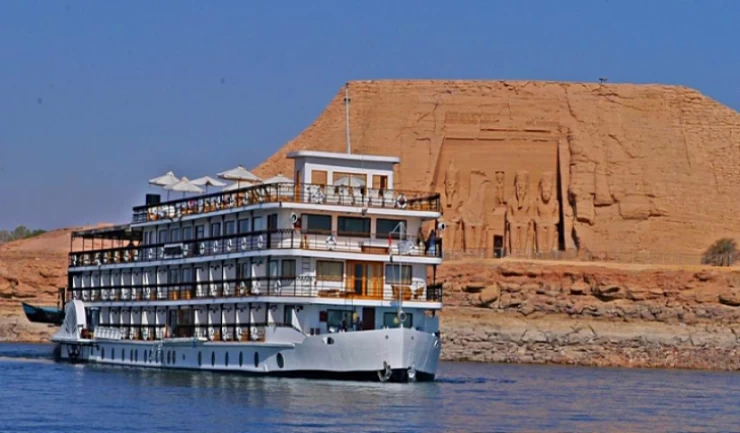
埃及尼罗河游船之旅(卢克索出发,阿布辛贝神庙出发)

这次精彩的多日尼罗河游轮之旅将带您领略古埃及的辉煌,从卢克索到阿斯旺,沿途还能欣赏到令人叹为观止的美景。探索上埃及的顶级景点和最重要的神庙,包括阿布辛贝神庙,充分感受埃及的昔日风情。

5天/4晚

The cooler months from October through April are the greatest for travel. Because of the nicer weather, sightseeing and outdoor activities are more enjoyable. It can get very hot throughout the summer (May to September).

The majority of the Egyptian shrines and monuments were built with stones obtained from Aswan, which served as a source of granite. This includes the Giza pyramids. On the east bank of the Nile River, close to the first cataract, is a lively market in Aswan. The Island of Elephantine has now been added to Aswan's territory.


As a result, thieves carried out a number of tomb raids. The damaged and desecrated mummified remains of his predecessors from the 18th, 19th, and 20th dynasties were reburied in a secure location by a later monarch from the 21st dynasty.


Aswan has a desert climate, characterized by hot and dry conditions. Summers in Aswan are extremely hot, with temperatures often exceeding 40 degrees Celsius (104 degrees Fahrenheit). Winters are milder, with average daytime temperatures ranging from 20 to 25 degrees Celsius (68 to 77 degrees Fahrenheit). It is generally a sunny destination with very limited rainfall.

The ancient rock-cut tombs known as the Tombs of the Nobles in Aswan, or the Tombs of the Nobles of El-Kab, are situated close to El-Kab. These Old Kingdom tombs served as the last resting places for aristocrats, administrators, and high-ranking officials. The elaborate wall paintings and reliefs on the tombs offer insights into religious rituals, everyday life, and mythology. Ramses II's influential official Setau's tomb is renowned for its well-preserved paintings and reliefs. Ahmose's Tomb, a high-ranking official of the 18th Dynasty, has exquisitely decorated chambers and provides insight into Ahmose's wartime military exploits. The tombs are a component of a wider archaeological site.

The Tombs of the Nobles in Aswan are a group of ancient tombs located in the Nubian Village area near Aswan. They date back to the period of ancient times in Egypt, specifically between the Neolithic period (2686-2181 BC) and the Ancient Roman period (30 BC - 641 AD).

The idea of building tombs centered around the idea of religion and afterlife beliefs in ancient Egyptian civilization, as noble tombs were considered a place of burial for nobles, officials, and employees with high socio-economic status.

Noble tombs were characterized by their unique and elaborate design, and usually included numerous funerary halls and rooms decorated with inscriptions and wall paintings depicting daily life, religious rituals, and beliefs in the afterlife in the underworld. Tombs were similar in structure and design to a pyramid, and often included a series of corridors and chambers leading to the main burial chamber.

The Secretary-General of the Supreme Council of Antiquities, Mostafa Waziri, said that these tombs are of various types, numbering about 250 tombs dug at several levels in the mountain, including tombs with one or several burial wells, and others with a sloping corridor ending in a burial chamber. The tombs span time periods ranging from the end of the Old Kingdom to the end of the Ptolemaic period.

开罗顶级旅游合作伙伴

查看我们的合作伙伴

whatsapp-icon