Abu Sir is an archaeological site in Egypt located near Cairo, known for its ancient pyramids and historical significance. While it may not be as famous as Giza or Saqqara, it is an intriguing destination for travelers interested in ancient Egyptian history. The primary attractions in Abu Sir include:
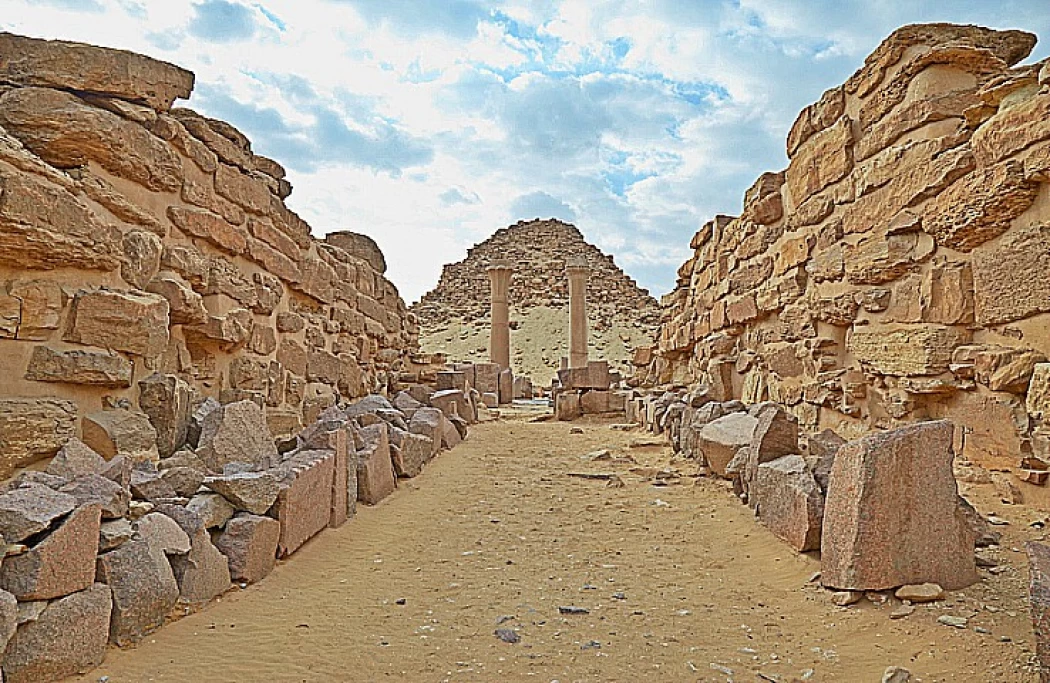
Abu Sir Pyramids: Abu Sir is home to a cluster of pyramids, built during the Fifth Dynasty of the Old Kingdom of Egypt. These pyramids are smaller and less frequently visited than those in Giza, making them a more tranquil destination for tourists.
Pyramid of Neferirkare: The Pyramid of Neferirkare is one of the most significant structures in Abu Sir. It was built for Pharaoh Neferirkare Kakai and is characterized by its unique L-shaped substructure.
Pyramid of Sahure: The Pyramid of Sahure, dedicated to Pharaoh Sahure, is another noteworthy structure in the area. It features a well-preserved mortuary temple and a causeway leading to a valley temple.
Pyramid of Neferefre: Also known as the Pyramid of Raneferef, this structure was constructed for Pharaoh Neferefre. Although it is partially ruined, it offers insights into ancient pyramid construction techniques.
Abu Sir Sun Temples: In addition to the pyramids, the Abu Sir site includes sun temples dedicated to various pharaohs. These temples played a crucial role in the religious and astronomical practices of ancient Egypt.
Abu Ghurab: Located nearby, Abu Ghurab is another archaeological site of interest. It features the remnants of a sun temple built by Pharaoh Nyuserre Ini and is known for its sun altar and reconstructed obelisks.
Exploration and Research: Abu Sir offers a unique opportunity for archaeologists and researchers to study lesser-known pyramid complexes, helping to expand our understanding of ancient Egyptian history.







-webp.webp)